
Planning to invest or expand in Thailand? Kinnaree helps businesses identify resilient industrial locations, evaluate investment opportunities, and develop market-entry strategies that support long-term growth. Get in touch with our team to explore your options.
Climate volatility is increasingly shaping how industrial and logistics assets are planned, designed, and evaluated across Thailand. Rather than representing only additional risk, changing weather patterns are encouraging investors and developers to place greater emphasis on resilience, operational readiness, and long-term asset performance.
Thailand’s manufacturing and logistics sectors are concentrated around Bangkok and the Eastern Economic Corridor (EEC), two regions that continue to attract domestic and foreign investment. These same areas also face distinct climate pressures: recurrent flood risk in central Thailand’s Chao Phraya basin and intensifying water scarcity and heat stress across much of the EEC, particularly in Chonburi and Rayong. As a result, site selection increasingly considers not only location and connectivity but also the ability to maintain operations under changing conditions.
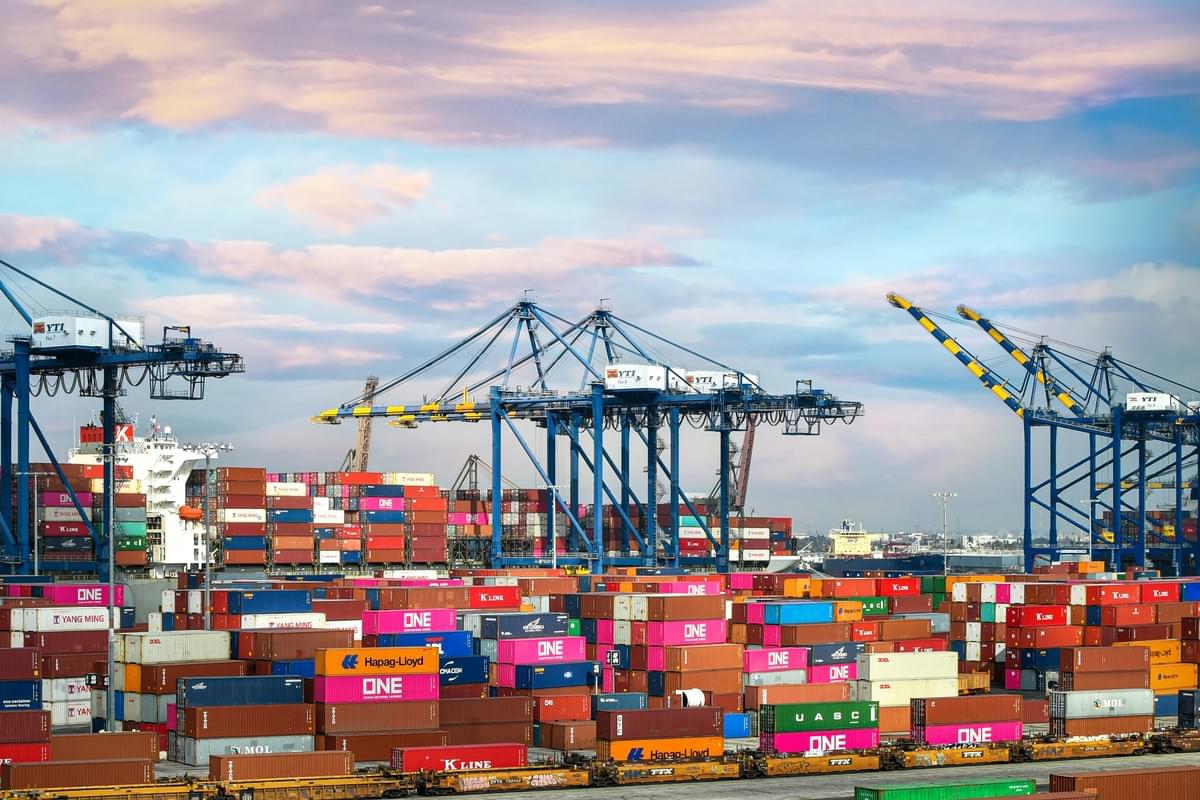
For industrial facilities, resilience extends beyond protecting buildings. Reliable water supplies, efficient drainage, backup utilities, and cooling capacity help manufacturers minimise operational disruptions and maintain productivity. Logistics facilities face similar considerations. Even if a warehouse remains fully functional, dependable road access, ports, and transport networks are essential to keeping supply chains moving and meeting customer expectations.
This shift is contributing to stronger demand for well-serviced, modern facilities, with some investors and occupiers increasingly viewing resilience features as a competitive advantage that may support occupancy and rental performance.
Several operational factors are becoming more influential during investment due diligence:
- Flood resilience: Drainage systems, site elevation, flood-history mapping, and transport accessibility.
- Water management: Reliable supply, recycling capabilities, and operational continuity.
- Heat adaptation: Energy-efficient cooling, workforce comfort, and productivity.
- Infrastructure quality: Backup power, transport redundancy, and supply chain connectivity.
These considerations do not replace traditional investment metrics such as occupancy, rental growth, or location. Instead, they complement them by helping investors assess long-term operational durability and tenant appeal.
The broader outlook for Thailand’s industrial and logistics sector remains constructive, underpinned by supply-chain diversification and infrastructure investment, even as market activity normalises and new supply creates selective vacancy pressure in 2026. As competition evolves, climate readiness is becoming another factor that distinguishes high-quality assets from the wider market.
For investors, developers, and occupiers alike, this represents an opportunity to make more informed decisions. Evaluating resilience alongside financial performance can help reduce operational interruptions, strengthen tenant confidence, and support sustainable asset value over time.
Climate volatility is therefore encouraging a more resilient industrial and logistics market in Thailand, where infrastructure quality, operational readiness, and thoughtful site selection increasingly contribute to long-term success. Climate risk is not only a challenge for Thailand’s industrial and logistics sector; it is also a catalyst for better asset quality, smarter development, and more durable investment outcomes.
Sources
This article is based on 2025–2026 market reports and climate assessments from JLL, Cushman & Wakefield, Knight Frank, and CBRE for information on Thailand’s industrial and logistics market performance, investment trends, and sector outlook; World Bank and EEC-related publications for data on flood risk in central Thailand and water-scarcity pressures in the Eastern Economic Corridor; and 2025–2026 news reporting from The Nation Thailand, Mongabay, and Business & Human Rights Resource Centre for information on water security, data-center expansion, and climate-related risks in Chonburi and Rayong.